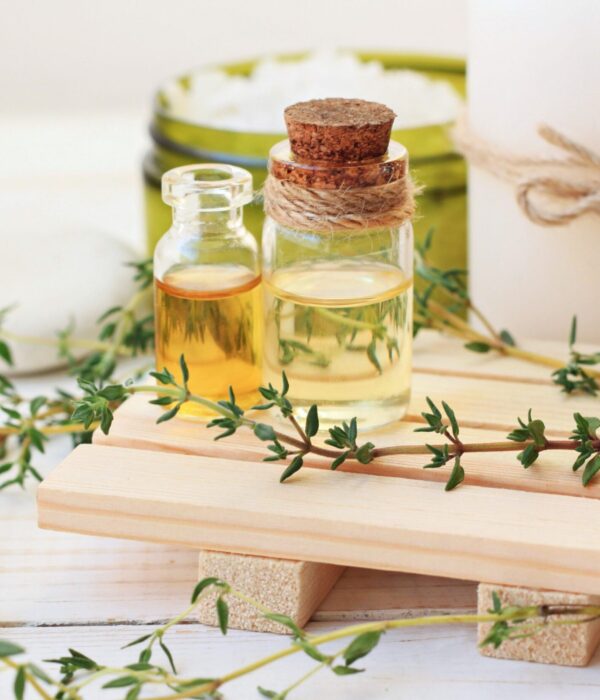
For years, I paid close attention to what I ate—but never really considered how my skincare might be affecting my health. A skin reaction changed everything. That day, I started reading the ingredient lists on my products… and I was shocked: endocrine disruptors, synthetic fragrances, aggressive preservatives…
That moment marked the start of a real journey. I began testing countless brands and carefully analyzing each formula. That search led me to Ringana: a brand offering truly pure, 100% vegan skincare that actually works. Since I’ve started using it, my skin has transformed. My hormonal acne is gone.
This transformation made me want to share my experience—honestly and simply. I know how hard it is to navigate the world of so-called “natural” beauty. If you’d like to chat, ask questions, or explore vegan skincare, don’t hesitate to reach out on WhatsApp. And if you’re curious to try the products I use, I’d be happy to give you a little boost to help you get started gently.
Looking to adopt a healthier skincare routine—one that respects both your skin and the environment? Vegan cosmetics offer an ethical and effective alternative, with no need to compromise on results.
But… is a vegan label always a guarantee of quality? Surprisingly, around 80% of cosmetic brands still include microplastics in their formulas—even those marketed as “natural” or “vegan.” And in some cases, just a tiny amount of organic ingredients is enough to label a product “organic”… while the rest may contain potentially harmful substances.
So how can we tell which products are truly clean and effective? Between marketing claims, labels, and confusing ingredient lists, it’s easy to feel lost. It was only by digging into what I was actually putting on my skin that I realized how misleading some “green” brands can be. After a lot of research, comparison, and testing, I found a brand that truly aligns with what I was looking for: Ringana—transparent, fresh, high-performance, and genuinely coherent.
Not sure which product is right for your needs? I offer personalized support to help you find the vegan skincare that best suits your skin and your expectations.
We’re more mindful than ever about what we eat—but have we really taken a moment to question the cosmetics we use every day? For a long time, we trusted big brands without asking what was actually inside their formulas.
The truth is, many conventional skincare products contain ingredients that are unnecessary—or even potentially harmful to our skin and overall health. Silicones, synthetic fragrances, endocrine disruptors, and chemical preservatives are often added to improve texture or extend shelf life. But are those benefits really worth the long-term risks?
Choosing natural skincare means opting for simpler, safer formulations that respect both your skin and the planet. It’s about going back to basics—nourishing, protecting, and revealing your natural beauty without unnecessary additives.


We often believe we’re making the right choices—but labels can be misleading. Answer these few questions:
What percentage of cosmetic brands still use microplastics in their formulas?
How much of a conventional product is made up of active ingredients versus chemical fillers?
Can a product labelled “natural” still contain harmful substances?
👉 Yes, a product marked “95% natural origin” can still include problematic ingredients in the remaining 5%.
Can toxic ingredients applied to the skin reach the bloodstream or internal organs?
👉 Yes—especially when they’re in nanoparticle form, which can penetrate the skin barrier.
Are there ingredients that directly disrupt the hormonal system?
👉 Yes, some are proven endocrine disruptors.
Is low, regular exposure to toxic ingredients harmless?
👉 No—even in small doses, long-term accumulation can impact your health.
If you want to quickly decode what’s in your cosmetics, apps like Yuka or INCI Beauty can be helpful. They offer a general overview, highlight controversial ingredients, and give you a first impression of a product’s quality.
In short, these apps are a good starting point, but they’re no substitute for actual formulation knowledge or the advice of a trained skincare expert.
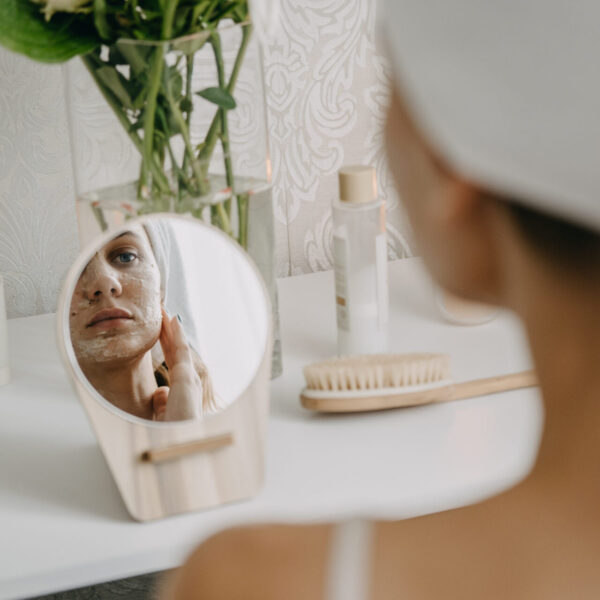
Wondering if your products are really as clean as they claim? Looking for vegan, healthy, and effective alternatives—but feeling overwhelmed by the “natural” options out there? I’m here to help you navigate it all, with no pressure and zero judgment.
Together, we can:
As for me, I chose Ringana—a 100% vegan, ultra-fresh brand I’ve been using for over a year. The results have completely transformed my skin. If you’re curious to try it out, I have a little something to help you get started.
Most conventional skincare products contain preservatives and various chemical additives. Their purpose? To extend shelf life and improve texture. But behind this seemingly practical role, some of these ingredients can weaken the skin’s barrier, disrupt its natural balance, and, over time, lead to unwanted effects.

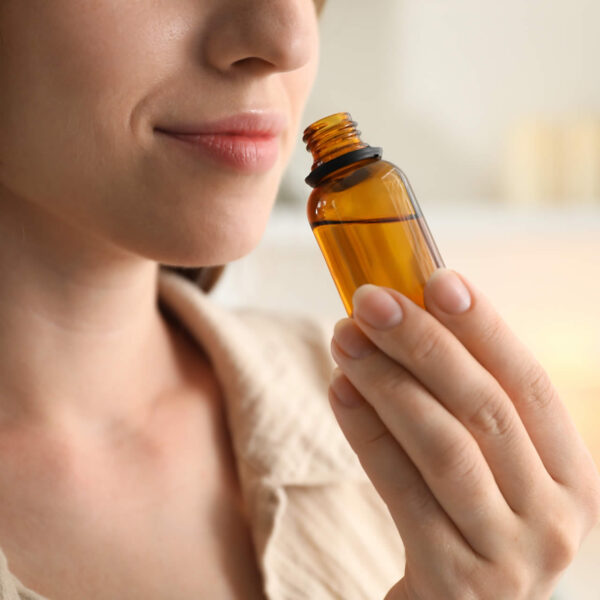
In the beauty industry, artificial fragrances and colorants are frequently used to enhance sensory appeal. But these ingredients offer no real benefit to your skin.
By choosing fresh, natural skincare, you’re opting for formulas free from artificial fragrances, unnecessary dyes, and harsh preservatives. The result: gentler, more respectful products that truly benefit your skin.
It’s easy to assume that natural skincare without synthetic preservatives can’t remain stable over time. But there are safe, effective alternatives that preserve the quality and performance of formulas—without compromising their purity.

Vitamin E, essential oils, rosemary or green tea extracts… these plant-based ingredients act as powerful shields. They help prevent the oxidation of oils and protect active ingredients—ensuring that the formulas maintain their full effectiveness.
Airless pumps, airtight containers, and innovative eco-packaging all reduce contact with air and bacteria. This limits the risk of contamination and keeps formulas stable and effective—without needing harsh chemical preservatives.

Brands like Ringana work with a just-in-time production model, making products to order in small batches right before shipping. This ensures unmatched freshness and aligns perfectly with formulas free from aggressive additives—while also guaranteeing realistic expiration dates.

Many conventional products still include ingredients that harm rather than protect your skin:
What if your skin deserved better?
There are vegan skincare options that are fresh, effective, and truly respectful of both your health and the planet.
Feeling lost in the crowded world of “green” products? I can help you review your current skincare, decode the ingredient lists, and guide you toward a 100% vegan routine that’s simple, clean, and tailored to your needs.
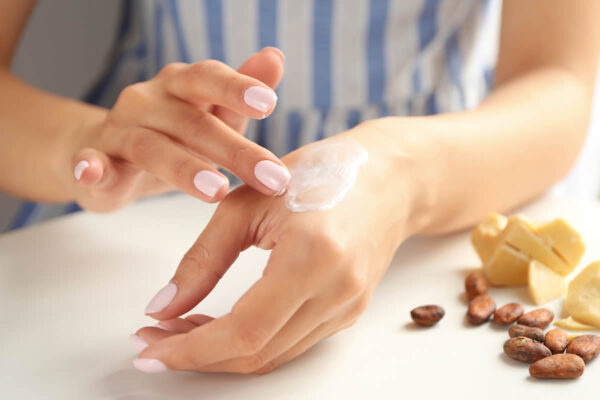
Switching to naturally sourced skincare means embracing a clean, gentle, and effective routine—powered by ingredients that nourish your skin without overwhelming it.
The key? Choosing products tailored to your skin type—dry, oily, combination, or sensitive—so you can maintain balance day after day.
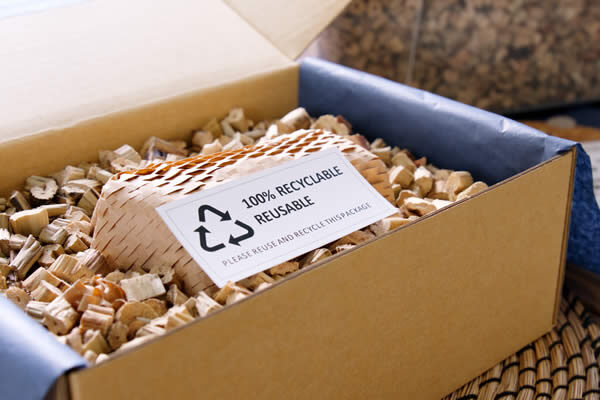
Conventional cosmetics don’t just impact your skin—they also leave a heavy mark on the environment. Many are derived from petrochemicals and, during use or disposal, release substances that pollute waterways and disrupt ecosystems.
By choosing truly natural and responsible skincare:
But be mindful: not all products labeled “natural” are free from synthetic preservatives or derivatives. That’s why it’s essential to look beyond the label—evaluate a brand’s real values, the consistency of its commitments, and, above all, the quality of its formulations.
To help you navigate the market, here’s an overview of the key players in natural skincare. In recent years, the selection has grown significantly—many brands now offer healthier alternatives, and some go even further in their ethical commitments.
But be cautious: not all brands deliver on their promises. Some formulas marketed as “natural” still contain animal-derived ingredients like beeswax, honey, or lactose. Others include synthetic additives or questionable preservatives—raising concerns about how natural or eco-conscious they really are.
That’s why it’s important to go beyond labels. Look closely at the ingredient list, but also assess the brand’s ethics, manufacturing practices, and how transparent they are in their messaging and communication.

This heritage brand in organic cosmetics emphasizes medicinal plants and botanical extracts. However, it still uses animal-derived ingredients such as beeswax and lactose, which limits its alignment with a fully vegan philosophy.
Additionally, its products are often preserved with high concentrations of alcohol—an ingredient that can cause irritation, especially for sensitive or redness-prone skin.
Finally, some formulas contain allergenic essential oils like geraniol, limonene, or linalool, which may increase the risk of skin reactions, particularly with daily, long-term use.

Originating in the UK, this brand is fully committed to vegan skincare, with a strong focus on sensitive skin. It excludes controversial and animal-derived ingredients, making it an ethical choice for conscious consumers.
However, the use of natural preservatives limits the concentration of truly active ingredients—typically under 30%—which can affect overall performance.
Its product range is also quite limited and doesn’t fully cover all skin needs. The richer textures are great for dry skin but may feel too heavy for combination or oily skin types.

This French brand highlights the richness of plant-based actives in its formulations. While a large part of its range is vegan-certified, some products still include animal-based ingredients like honey or lactose, which undermines the consistency of its vegan claim.
Its formulas contain natural preservatives, which limit the presence of essential actives to under 30%. Some products also include more than fifty ingredients, increasing the potential for skin reactions or sensitivities.
Additionally, certain textures don’t absorb easily and may leave a residue on the skin—something to keep in mind for oily or sensitive skin.

This brand takes a minimalist approach, focusing on essential oils and natural ingredients. Much of its range is vegan, but some formulas still contain beeswax, which makes them incompatible with a fully vegan routine.
One benefit is the absence of synthetic preservatives, as essential oils play a protective role. However, these oils can be irritating or photosensitizing, especially for sensitive skin types.
The range is quite narrow, mainly offering oils and serums, with no options for key daily essentials like moisturizers or sun protection.

Ringana stands out with ultra-fresh, 100% natural products made to order, which eliminates the need for preservatives while maintaining maximum effectiveness.
Formulas contain up to 90% active ingredients—compared to the industry average of 30%—delivering high performance without compromising skin tolerance.
Free from alcohol, irritants, and controversial substances, Ringana’s products are suitable even for the most sensitive skin. The range is complete, including both skincare and supplements, for a clean, coherent, and fully vegan routine.
Of all the brands I’ve explored, Ringana quickly stood out as the obvious choice. Few companies go this far in developing ultra-fresh skincare—free from chemical preservatives and questionable additives—while staying true to a responsible and transparent approach.
After more than a year of using Ringana personally, my skin has transformed: hormonal acne gone, hydration restored, refined texture, and an even, healthy glow. This experience inspired me to share what I’ve learned—not as a sales pitch, but to help others who are looking for truly safe, honest alternatives.
If you’d like to try it out for yourself, I’d be happy to offer you a little bonus to get started gently.
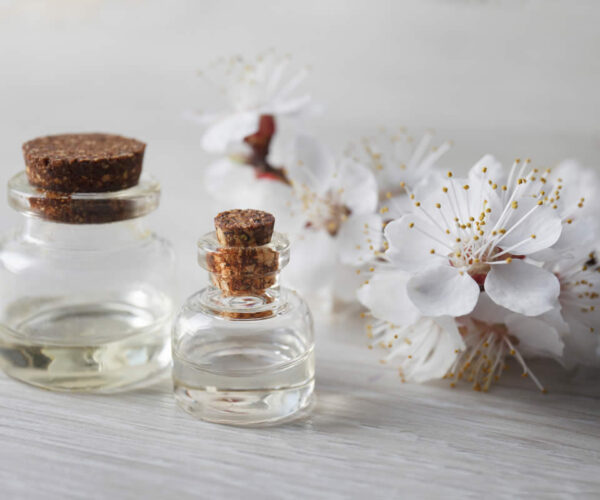
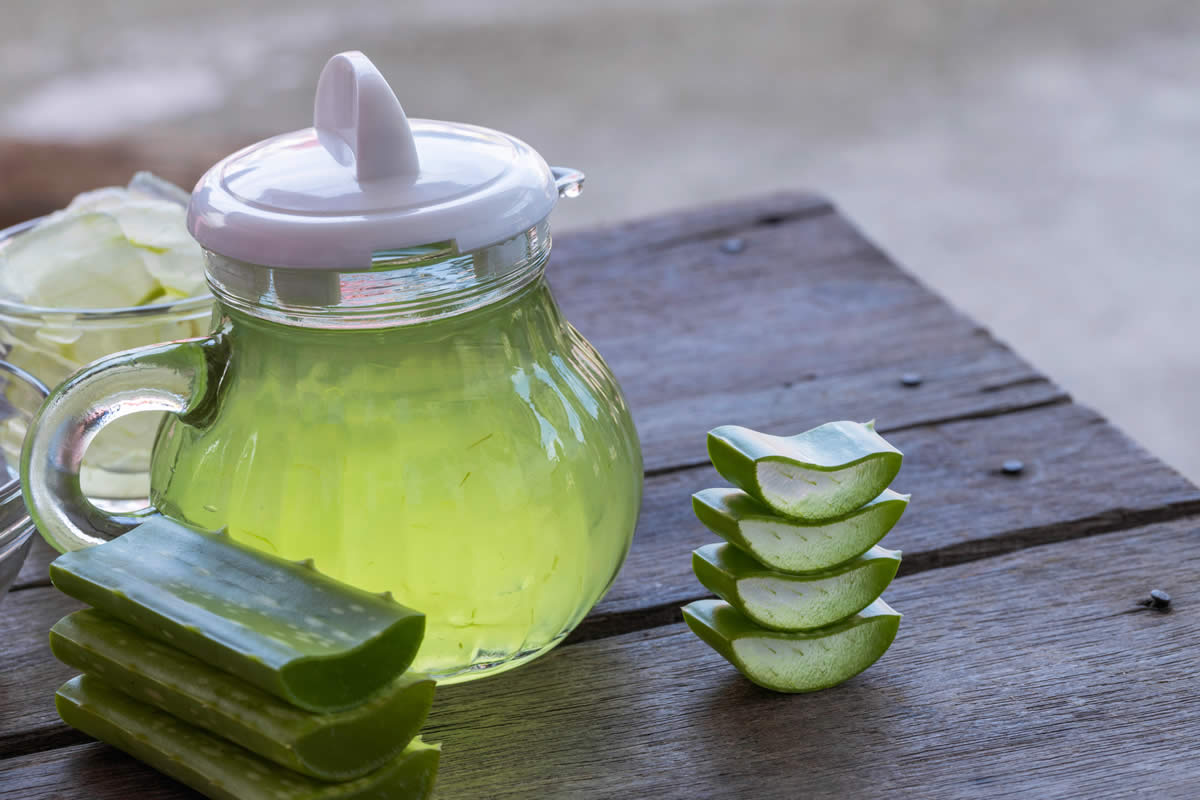
A unique approach that places performance, purity, and transparency at the heart of every product.
At Ringana, the goal isn’t just to offer 100% natural skincare. The brand has completely reimagined its production model to focus on what truly makes a difference: exceptional product freshness.
While most brands—even natural ones—rely on preservatives to extend shelf life, Ringana takes a radically different path:
This fresh-first approach makes performance, purity, and transparency the core of every formula Ringana creates.
At Ringana, nothing is left to chance. Every ingredient is selected for its targeted benefit—no fillers, no unnecessary additives. The formulas are entirely free from synthetic substances, preservatives, and microplastics. They contain only fresh, biodegradable actives in high concentrations.
Floral waters and hydrosols – such as orange blossom or cherry blossom water, to brighten the complexion and prep the skin for optimal absorption.
Hyaluronic acid and peptides – a combination of multi-weight molecules and natural peptides that deeply hydrate, plump, and improve firmness.
Targeted botanical extracts – including coenzyme Q10, olive stem cells, and alpine herbs, working in synergy to combat oxidative stress and visible signs of aging.
Nutrient-rich plant oils – like pomegranate, safflower, and paradise seed oil, to deeply nourish, protect, and regenerate the skin barrier.
Polysaccharides and ferments – plant-based sugars and natural ferments (such as radish root ferment) that help strengthen the skin barrier and maintain overall balance.
Even texture-related ingredients – like ceramides, squalane, and glycosphingolipids—are present in high concentrations to actively support skin regeneration.
What sets Ringana apart is this level of precision in formulation: every component is included for a specific purpose and designed to work in synergy with the others—ensuring maximum effectiveness without compromising freshness or natural integrity.

At Ringana, being natural isn’t enough. Each formula is crafted with a high concentration of active ingredients to deliver visible results within just a few weeks—and maintain them over time.
No ingredient is added for volume or marketing purposes. Every component has a specific role and is used at its optimal dose. These formulas work deep within the skin—not to mask imbalances temporarily, but to help the skin regain its natural vitality and harmony.
Ringana’s universe is built on a demanding vision of skincare: pure, fresh, and potent formulas—each one a concentrated blend of active botanicals designed to bring out your skin’s natural beauty.

At Ringana, beauty isn’t just about the skin—it also means showing real, lasting respect for the planet. Beyond creating ultra-fresh, 100% natural products, the brand takes meaningful steps to support a holistic, eco-conscious approach.
The goal: to actively shape a more sustainable future by integrating responsible practices at every stage of production. From formulation to packaging, Ringana follows strict environmental standards to reduce its footprint and protect natural resources.

Eco-conscious logistics to reduce transport emissions
Ringana’s distribution model is designed to lower the carbon footprint of deliveries. The brand prioritizes group orders, allowing multiple customers to share a single shipment and reduce the number of trips.
Every parcel is designed with care: optimised volume, reduced weight, and efficient packaging. These smart logistics choices help limit CO₂ emissions linked to transport—ensuring environmental consistency down to the last detail.

Ringana goes far beyond making natural products. The brand actively supports ecological initiatives, including biodiversity protection and reforestation efforts.
Its commitment to sustainability runs through every stage—from sourcing raw materials to shipping orders. With this holistic approach, Ringana proves that high performance, ethics, and respect for nature can go hand in hand.

At Ringana, each product is made to order, ensuring maximum freshness and avoiding unnecessary overproduction. Small-batch manufacturing preserves product quality while significantly cutting down on waste.
Unlike conventional brands that mass-produce and store for long periods, Ringana takes a more thoughtful, sustainable path—minimising ecological impact by avoiding surplus and product loss.
Ringana’s distribution system is designed to reduce the carbon footprint associated with shipping. The brand encourages grouped orders, allowing several customers to share a shipment and thus reduce the number of trips.
Each package is also intelligently designed: reduced volume, light weight, and optimized packaging. All of these logistical decisions contribute to reducing CO₂ emissions related to transportation, following a logic of environmental consistency down to the smallest details.
I’ve always been passionate about natural and ethical beauty—but what truly drives me is sharing what I’ve learned with people who want to care for their skin while protecting their health and the planet.
I spent over ten years working in the luxury beauty industry. Like many, I trusted major brands—even those sold in pharmacies—believing they guaranteed safety and quality. Then one day, I had a severe allergic reaction to a product I’d used without second thought. It was a wake-up call. I began studying labels and ingredients more closely and discovered that even so-called “natural” brands sometimes include ingredients that are far from harmless.
That moment changed everything. I began a personal journey to find skincare that was healthier, more respectful, and truly aligned with my values. That’s when I discovered Ringana. I tested their products for over a year—without talking about them publicly—because I wanted to be sure the results were real. And they were: my hormonal acne disappeared, and my skin became brighter, more hydrated, and balanced.
That transformation inspired me to take things further. Today, I’ve joined the Ringana universe to share my experience and support other women in making conscious, informed choices. My mission is to help you adopt truly clean, vegan skincare—formulas that care for your skin, your health, and the environment.
If you’re curious about trying Ringana, I’d love to offer you a little gift to help you get started gently.

Here’s a selection of 30 common ingredients found in conventional cosmetics that are best avoided. Some are known to cause irritation, while others may have long-term effects on your health or the environment.
🚫 Endocrine Disruptors
These substances interfere with the hormonal system and may impact fertility or other essential functions:
⛔ Chemical Preservatives & Additives
Used to extend shelf life, but often irritating or harmful over time:
⚠️ Known Skin Irritants
These ingredients can lead to dryness, redness, or skin reactions:
❗ Potentially Carcinogenic Compounds
Commonly used for performance, but associated with long-term health risks:
🔄 Ingredients That Disrupt Skin Balance
These may interfere with the skin’s natural hydration or barrier function:
❓ Other Concerning Substances
Some ingredients raise safety concerns or have been linked to adverse effects:
♻️ Microplastics & Nanoparticles
Often invisible, these polymers improve texture but are highly damaging to health and ecosystems:
Microplastics, often used in exfoliators as microbeads, end up in oceans and soil—where they absorb pollutants and contribute to long-term environmental degradation.
Why choose natural skincare over conventional products?
Natural products are gentler on the skin and safer for the planet. Unlike conventional formulas, they contain no synthetic preservatives or artificial additives, which significantly lowers the risk of irritation, allergies, or long-term side effects.
Are natural ingredients as effective as synthetic ones?
Absolutely—and often more so. Natural actives tend to be better tolerated by the skin and work in harmony with its natural balance, unlike some synthetic compounds that can disrupt or irritate.
Examples of powerful natural ingredients:
Which ingredients should you avoid completely?
What’s the issue with chemical preservatives?
While they extend shelf life, some may irritate the skin, compromise the skin barrier, or pose potential long-term health risks.
What’s the difference between organic and vegan skincare?
How can you tell if a product is truly vegan?
Is a vegan serum as effective as a conventional one?
Yes! Many vegan brands, including Ringana, use powerful, skin-friendly actives that deliver excellent results—without compromising performance.
Is vegan skincare suitable for sensitive skin?
Definitely. Vegan products are often free from alcohol, synthetic fragrances, and harsh preservatives.
⚠️Note: “Vegan” doesn’t always mean “natural.” Some vegan products still contain synthetic compounds that may be irritating.
What makes Ringana different from other brands?
Why does Ringana focus on ultra-freshness?
Conventional skincare can sit on shelves for years. At Ringana, each product is made in small batches just before shipping, ensuring optimal potency of natural ingredients.
Is Ringana suitable for sensitive skin?
Absolutely. The formulas are alcohol-free, fragrance-free, and carefully designed to respect even the most reactive skin.
Is Ringana truly eco-responsible?
Yes, the brand’s sustainability commitment is clear:
Would you like to know if your current skincare routine is really right for your skin?
I can analyze your products, help you sort through them, and suggest healthier alternatives—all with kindness. Together, we can see what works for you…and what doesn’t.
I often talk about Ringana because I’ve seen real results on my skin. And to try it out, I can offer you a €20 voucher for your first order.